

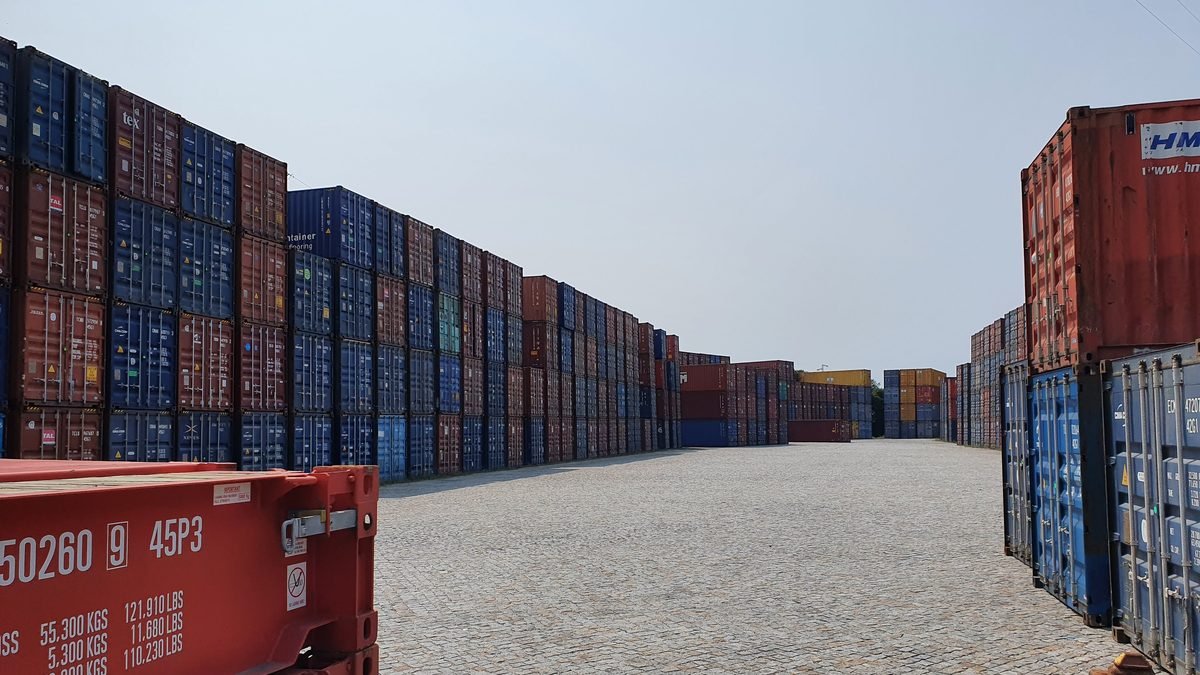
For many shippers a container depot feels like a black box. Containers go in, and at some point they come out. Yet what happens in between accounts for much of the waiting time they experience.
Inspection decides everything
Once a container clears gate in and its paperwork is verified, the decisive stage is inspection. This is where the physical condition of the unit is surveyed and the Equipment Interchange Receipt is issued.
The result splits the flow in two. Sound containers move straight to cleaning and then to stacking. Units found damaged go through repair first.
Why that split matters
A depot that does not separate these paths early ends up with cascading queues: one problem unit holds up everything behind it. Moving damaged containers onto their own path at the inspection stage keeps the main flow moving.
Stuffing, stripping, and yard position
Once available, containers move into stacking. What tends to be underrated is position recording. A yard that knows exactly where each unit sits can release it without shuffling other stacks — and unnecessary shuffling is among the most common sources of delay.
Loading and unloading cargo closes the chain, before the unit leaves through gate out for its next shipment.
What shippers can ask
Two questions are usually enough to assess a depot: how damaged containers are separated from the main flow, and whether the position of every unit in the yard is on record. The answers explain performance better than the size of the site does.